
Buying an Older Fredericksburg Home: Lead Paint, Wiring and Inspection Priorities
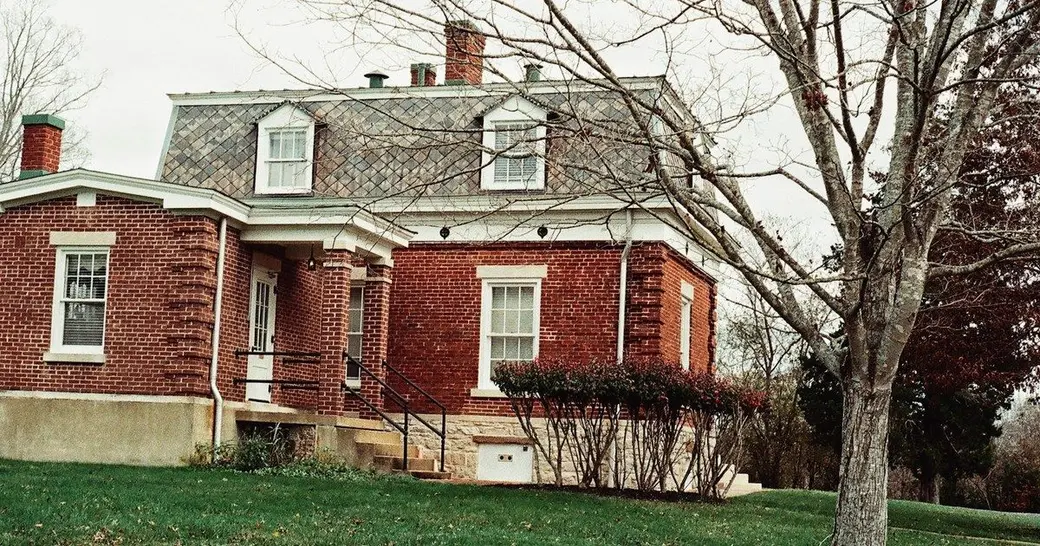
Quick answer: If you are buying an older Fredericksburg home, use the federal lead-paint disclosure and the 10-day inspection window that apply to most housing built before 1978 (EPA). Treat Virginia's residential disclosure as a due-diligence reminder, not a condition report (Va. Code § 55.1-703). Have the electrical system checked by a qualified professional (CPSC).
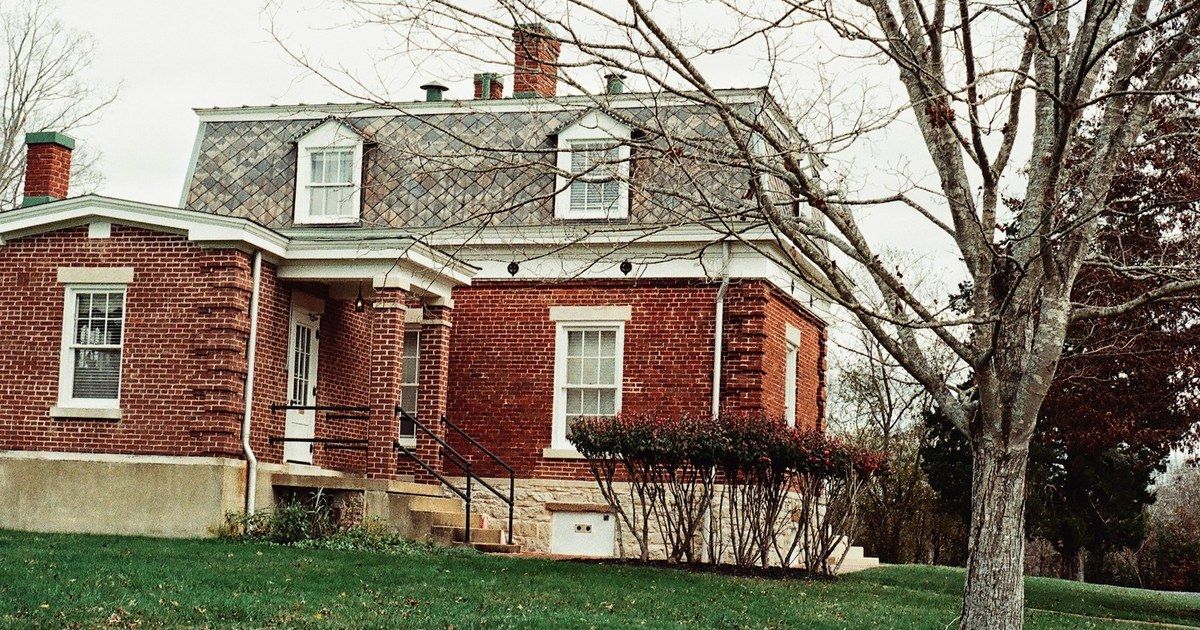
Lead-paint disclosure on pre-1978 homes
The federal Lead-based Paint Disclosure Rule requires sellers and their agents, before a buyer signs a contract, to disclose any known lead-based paint and hazards, provide available records and reports, give the buyer the EPA lead pamphlet required by the rule, and include a Lead Warning Statement in or attached to the contract (EPA). The rule applies to most housing built before 1978. It does not apply to housing built after 1977 or to foreclosure sales, among other exceptions listed on the EPA page (EPA).
Sellers must also give buyers a 10-day period to conduct a lead-paint inspection or a lead-hazard evaluation. The parties may agree in writing to lengthen or shorten that period, and a buyer may waive the opportunity (EPA). If you are concerned about possible lead-based paint in an older house near Princess Anne Street, along the Rappahannock, or elsewhere in the city, use that window, or a longer period if you can negotiate one, and hire a certified lead inspector rather than guessing from the paint color or the stated year built.
Disclosure is not the same as a clean bill of health. The seller has to share what is known and what reports exist. The seller is not required, by this rule, to test the house before listing it. If no records exist, that absence is information too. Keep copies of the pamphlet, the warning statement, and any reports.
Virginia's disclosure statement is not a condition report
Virginia's Residential Property Disclosure Act takes a different approach from a room-by-room seller questionnaire. The owner must furnish a residential property disclosure statement from the Real Estate Board. That statement tells the buyer to exercise due diligence, including a home inspection, under the purchase contract and in any event before settlement (Va. Code § 55.1-703). The official statement is posted by DPOR; the condition paragraph states that the owner makes no representations or warranties as to the condition of the property or its improvements (DPOR).
The current text of § 55.1-703 is in effect until January 1, 2027 (Va. Code § 55.1-703). Do not treat a signed disclosure as proof that the roof, wiring, plumbing, or foundation have been inspected.
The Consumer Financial Protection Bureau tells buyers to schedule an independent home inspection as soon as possible, to choose an inspector who is accountable to you, and not to buy a home without having it thoroughly inspected. If your contract is contingent on a satisfactory inspection, you may be able to negotiate repairs or cancel if you are not satisfied with the results (CFPB). A home inspection is also different from an appraisal, and you generally need both when you finance the purchase (CFPB).
In Virginia, you can check a home inspector's license on the same official DPOR License Lookup used for other regulated professions. Ask for an inspector who will walk the house with you if you can attend, which the CFPB recommends so you can ask questions as issues come up (CFPB).
Wiring and electrical inspection priorities
Electrical systems wear out, just as other parts of an older house do. The U.S. Consumer Product Safety Commission's Guide to Home Wiring Hazards says that finding specific defects and repairing them are jobs for qualified electrical professionals, and that a safety inspection should be performed by a qualified electrician or licensed electrical inspector (CPSC). Do not remove the service-panel cover yourself; the CPSC flags that as a job for a qualified electrician (CPSC).
CPSC notes that some older homes had not been inspected for many years. If the last inspection was 40 or more years ago, an inspection is overdue; if it was 10 to 40 years ago, an inspection is advisable, especially if substantial electrical loads have been added or warning signs are present (CPSC). Warning signs in the guide include fuses or breakers that need frequent replacement or resetting, overheating switch plates or receptacles, and plugs that wobble or pull out of an outlet easily (CPSC).
A standard home inspection can flag visible electrical concerns, but it is not a full evaluation by an electrician. If the inspector notes an older panel, ungrounded outlets, frequent tripping, or scorched devices, budget time for a licensed electrician to assess the system before you waive the inspection contingency. That applies inside the city and to older properties just over the line in Stafford or Spotsylvania, or out toward Route 1, Route 3, or I-95.
Historic district and other locality checks
Virginia's disclosure statement also tells buyers to exercise due diligence on whether a local historic district ordinance affects the property, including the local ordinance, any official historic-district map, and the locality's rules on altering, renovating, or demolishing buildings, and whether review-board approval is required before work (Va. Code § 55.1-703; DPOR). In Fredericksburg, that often means confirming whether the house sits in the Historic Fredericksburg District and what the Architectural Review Board requires before you plan exterior work, windows, or visible repairs. The seller-side process is in Selling a Fredericksburg Historic District Home; the same maps and ordinances matter for buyers.
The statement likewise points buyers to their own checks on lot lines, zoning, adjacent parcels, and resource protection areas (Va. Code § 55.1-703). Put those items on the inspection-period list along with lead and wiring, especially if you hope to add a porch, parking, or other work later.
FAQ
Does every older Fredericksburg home require a lead-paint disclosure?
The federal rule applies to most housing built before 1978. It does not apply to housing built after 1977 or to foreclosure sales, and the EPA page lists additional exceptions (EPA). If the house is pre-1978 and not exempt, you should receive the pamphlet, the warning statement, and any known records before you sign.
Can I waive the 10-day lead inspection period?
Yes. Buyers may waive the opportunity, and the parties may also agree in writing to a shorter or longer period (EPA). Waiving it means you give up that inspection window. If you want the check, put the timing in the contract.
Is Virginia's residential disclosure the same as a home inspection?
No. The owner's statement, required by § 55.1-703, advises you to exercise due diligence, including a home inspection, and states that the owner makes no representations or warranties as to condition (DPOR). The inspection is a separate step you arrange.
Should I hire an electrician as well as a home inspector?
If the house is older, or if the home inspector flags the panel, outlets, or warning signs, yes. CPSC recommends a safety inspection by a qualified electrician or licensed electrical inspector and says repairs are a job for qualified professionals (CPSC).
Buying an older home in Fredericksburg?
If you want help with an inspection plan, call (540) 300-4967. I am Ron Chronister, REAL Broker. Start on my Fredericksburg page or, if you also have a home to sell, at sell with Ron.
Categories
Recent Posts





GET MORE INFORMATION